A good church home preaches the Bible faithfully, centres on Jesus, practises genuine love, welcomes you into community, and has accountable leadership. Visit more than once, pray for guidance, and look for a place where you can both grow and serve. Acts 2:42-47 gives the pattern.
For some people, finding a church is easy: you grew up in one, or a friend invited you and it simply fit. For many others, it is a real search. Maybe you have moved to a new town for school, work or marriage. Maybe you recently gave your life to Christ and you do not know where to begin. Maybe you were hurt in a previous church and you are cautious. Or maybe you have been drifting for a while and you know you need community again.
Whatever your situation, choosing a church is an important decision. A church is not just a building you visit on Sundays. At its best, it is a spiritual family, the place where you will be taught the Word, encouraged in hard times, held accountable, and given opportunities to serve. In this guide we will look at what the Bible says the church is, what to look for in a healthy church, what to avoid, questions you can ask, how to approach your first visit, and how to settle in once you have found your home.
Why you need a church
Before we discuss which church, it is worth asking why at all. Some people say, "I can worship God on my own." And you can, and you should. But the Bible does not picture the Christian life as solitary.
The church is the body of Christ. Paul writes, "Now ye are the body of Christ, and members in particular" (1 Corinthians 12:27). A hand cut off from the body cannot function. Every believer needs the others, and the others need you.
We are told to meet together. "And let us consider one another to provoke unto love and to good works: Not forsaking the assembling of ourselves together, as the manner of some is; but exhorting one another: and so much the more, as ye see the day approaching" (Hebrews 10:24-25).
God gives leaders to care for us. Christ gave "pastors and teachers; For the perfecting of the saints, for the work of the ministry, for the edifying of the body of Christ" (Ephesians 4:11-12). Peter urges elders to "Feed the flock of God which is among you, taking the oversight thereof, not by constraint, but willingly; not for filthy lucre, but of a ready mind" (1 Peter 5:2).
We grow in community. "As iron sharpeneth iron; so a man sharpeneth the countenance of his friend" (Proverbs 27:17). Many of our rough edges are smoothed only through relationships.
We are meant to serve. Every believer has been given gifts "for the profiting" of all (1 Corinthians 12:7). A church gives us a place to use them.
The pattern in Acts 2
If you want a snapshot of what a healthy church looks like, read Acts 2:42-47. After the day of Pentecost, thousands came to faith, and Luke describes their life together:
"And they continued stedfastly in the apostles' doctrine and fellowship, and in breaking of bread, and in prayers" (Acts 2:42).
Four marks stand out:
- The apostles' doctrine: a commitment to the teaching of Scripture.
- Fellowship: real, committed relationships.
- Breaking of bread: shared meals and the Lord's Supper.
- Prayers: a life of prayer together.
The passage continues: "And all that believed were together, and had all things common; And sold their possessions and goods, and parted them to all men, as every man had need. And they, continuing daily with one accord in the temple, and breaking bread from house to house, did eat their meat with gladness and singleness of heart, Praising God, and having favour with all the people. And the Lord added to the church daily such as should be saved" (Acts 2:44-47).
We see generosity, joy, worship, community, and growth through the Lord's working. No church is perfect, but this is the picture to aim for.
What to look for in a church
Here are the qualities worth looking for, and the questions to ask yourself or others.
1. Faithful teaching of the Bible
This is the most important. Paul told Timothy, "Preach the word; be instant in season, out of season; reprove, rebuke, exhort with all longsuffering and doctrine. For the time will come when they will not endure sound doctrine" (2 Timothy 4:2-3).
Look for: sermons that open and explain Scripture; leaders who treat the Bible as the final authority; teaching that is clear about sin, grace, repentance, faith, and the cross.
Ask: Is the Bible central, or are other things (personalities, prosperity promises, traditions, or entertainment) taking its place? Can I check what is taught against Scripture? Remember the Bereans, who "searched the scriptures daily, whether those things were so" (Acts 17:11). A good church welcomes this.
2. Jesus Christ at the centre
Paul wrote, "For I determined not to know any thing among you, save Jesus Christ, and him crucified" (1 Corinthians 2:2). A healthy church exalts Jesus, not a leader, a programme, or a brand. Salvation by grace through faith in Christ alone should be clear (Ephesians 2:8-9).
3. Genuine worship and prayer
Is God honoured in worship? Is prayer a real part of church life, not just a formality? Jesus said His house should be "called of all nations the house of prayer" (Mark 11:17). A church that prays together tends to stay close to God.
4. Real love and community
Jesus said, "By this shall all men know that ye are my disciples, if ye have love one to another" (John 13:35). You may not be able to feel this fully on a first visit, but you can look for signs: Do people greet one another warmly? Do they talk with visitors? Do they care for those who are sick or in need?
Look also for opportunities to connect beyond Sundays: prayer meetings, Bible studies, small groups, youth or student gatherings, and service teams. Community usually grows in the small gatherings.
5. Healthy, accountable leadership
The Bible lays out qualifications for leaders in 1 Timothy 3 and Titus 1: they are to be blameless, faithful in marriage, self-controlled, hospitable, able to teach, not lovers of money, and not domineering. Peter adds, "Neither as being lords over God's heritage, but being ensamples to the flock" (1 Peter 5:3).
Look for: leaders who are humble, approachable, and consistent with what they teach. They should be open to questions, and, ideally, accountable to others, whether to a board, a wider fellowship, or other elders. Transparency, especially about finances, is a good sign.
6. Care for the community and the world
A healthy church looks outward as well as inward. James says that "pure religion and undefiled before God and the Father is this, To visit the fatherless and widows in their affliction, and to keep himself unspotted from the world" (James 1:27). Does the church share the gospel? Does it serve those in need? Does it pray for its neighbourhood?
7. Opportunities to serve and grow
A church is not a spectator sport. Look for places where you can serve and be developed: ushering, music, children's ministry, prayer teams, outreach, or administration. Ephesians 4:16 describes the body "fitly joined together and compacted by that which every joint supplieth." You are meant to contribute.
8. A fit for your season of life
You will want to consider practical matters: location, service times, language, whether there are others in your life stage (students, young adults, married couples, families), and whether you can commit to regular attendance. A church too far away can be hard to engage with in the long term.
Warning signs
No church is perfect, and we should be gracious. But some things are serious enough to give you pause.
- Teaching that contradicts the Bible, or that denies the deity of Christ, the resurrection, or salvation by grace through faith. "But though we, or an angel from heaven, preach any other gospel unto you than that which we have preached unto you, let him be accursed" (Galatians 1:8).
- Promises of guaranteed wealth or healing in exchange for money. Scripture warns against those who suppose "that gain is godliness" (1 Timothy 6:5).
- Secrecy and pressure around money. Giving should be willing and cheerful, "not grudgingly, or of necessity: for God loveth a cheerful giver" (2 Corinthians 9:7).
- A leader who cannot be questioned or corrected. Be wary of control, intimidation, or isolation from family and friends.
- A culture of fear, shame, or manipulation. "God hath not given us the spirit of fear; but of power, and of love, and of a sound mind" (2 Timothy 1:7).
- Cult-like exclusivity. Claims that only this church is saved, or that members must cut ties with others.
- Constant gossip, division, or bitterness. Some conflict is normal; a culture of backbiting is not.
- Moral hypocrisy that is never addressed. "Beware of false prophets... Ye shall know them by their fruits" (Matthew 7:15-16).
Remember John's counsel: "Beloved, believe not every spirit, but try the spirits whether they are of God" (1 John 4:1).
Questions you can ask
Do not be shy. A good church will welcome your questions. Consider asking a pastor or member:
- What do you believe about the Bible, and about salvation?
- How do you make decisions as a church? Who is accountable to whom?
- How do you handle offerings and finances?
- What does a typical week look like for members?
- How do you care for people who are sick, grieving, or struggling?
- How can I get involved and grow here?
- What is the church's vision for the community?
Your first visit: what to expect and how to approach it
A first visit is for observing and discerning, not for making a final decision. Here is how to make the most of it.
Before you go:
- Pray. Ask God to guide you and give you discernment.
- Check the details. Know the service time, location, and any information about visitors. Many churches list these on their website.
- Consider going with a friend.
While you are there:
- Arrive a little early. Take a moment to settle, and observe how you are welcomed.
- Introduce yourself. Tell someone it is your first time.
- Listen carefully to the teaching. Is it grounded in Scripture? Does it point to Jesus?
- Notice the atmosphere. Do people seem joyful and sincere? Is there reverence for God?
- Join in. Sing, pray, and respond, even if you are unsure.
- Take notes on what stands out, both encouraging and concerning.
After:
- Reflect and pray. How did you feel? What did you learn?
- Return a few times. One service does not tell the whole story. Visit at least three or four times, and attend a midweek gathering if possible.
- Meet the leaders. Ask for a short conversation with a pastor.
When you have found a church: how to settle in
Choosing a church is just the beginning. Here is how to make it your home.
- Commit. Attend regularly, not just when it is convenient.
- Get connected. Join a prayer meeting, small group, or Bible study.
- Serve. Offer your time and abilities, even in small ways.
- Give. Support the work of the church faithfully and cheerfully.
- Pray for your leaders. Hebrews 13:17 and 1 Thessalonians 5:12-13 call us to respect and support those who lead us.
- Be patient with imperfections. Every church is made of forgiven sinners. Extend grace, and when there is a genuine concern, raise it gently and respectfully.
- Invite others. Share what God is doing, and bring someone along.
What if I have been hurt by a church before?
If you carry wounds from a previous church, we are sorry. Hurt in the house of God is especially painful. If that is your story:
- Take it to God. He understands and is near the broken-hearted (Psalm 34:18).
- Distinguish the people from the Lord. People can fail us; God does not.
- Give yourself time to heal, but do not isolate yourself permanently.
- Consider a gentle re-entry. Visit quietly, observe, and talk with a pastor about your concerns.
- Forgive. This does not mean excusing wrong or restoring unsafe situations, but releasing the bitterness so it does not poison you.
A healthy church can be a place of healing.
Finding a church in Aiyepe and Ijebu
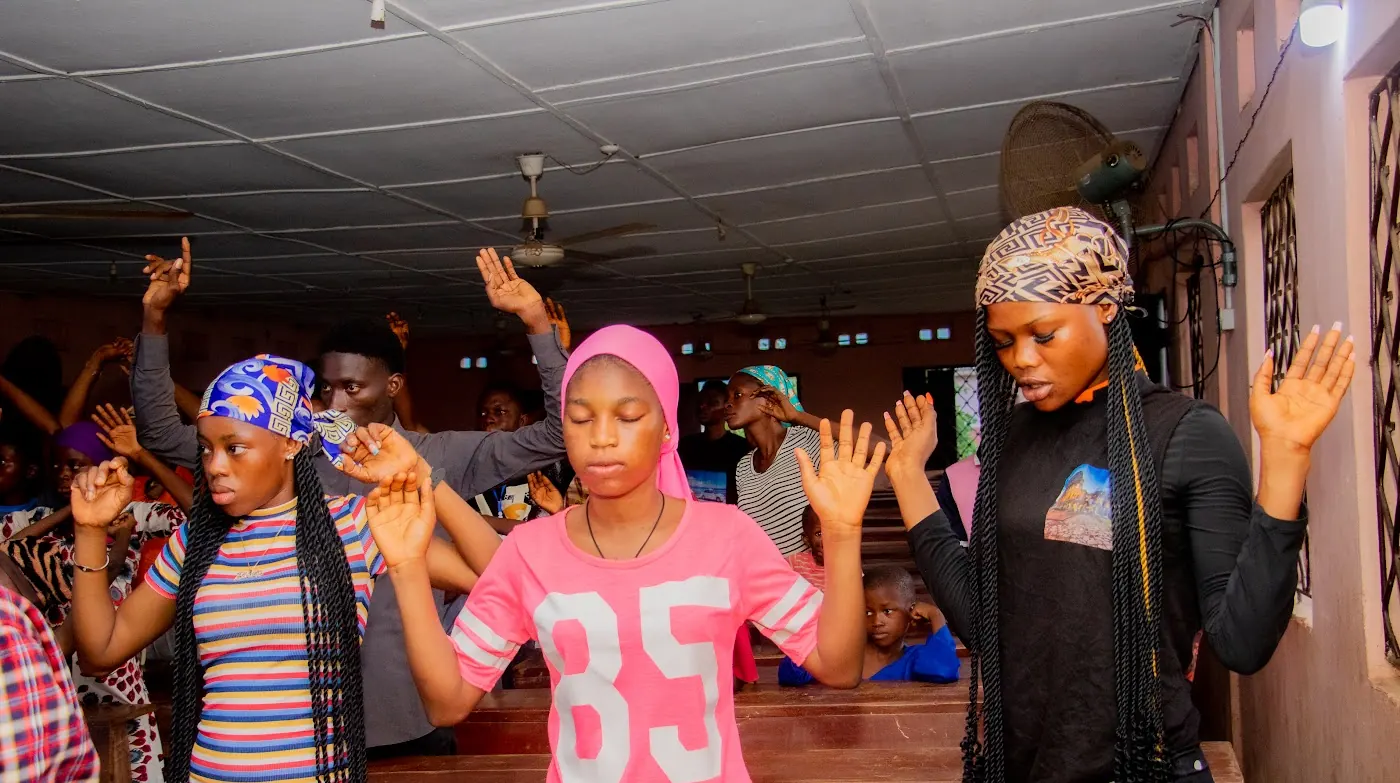
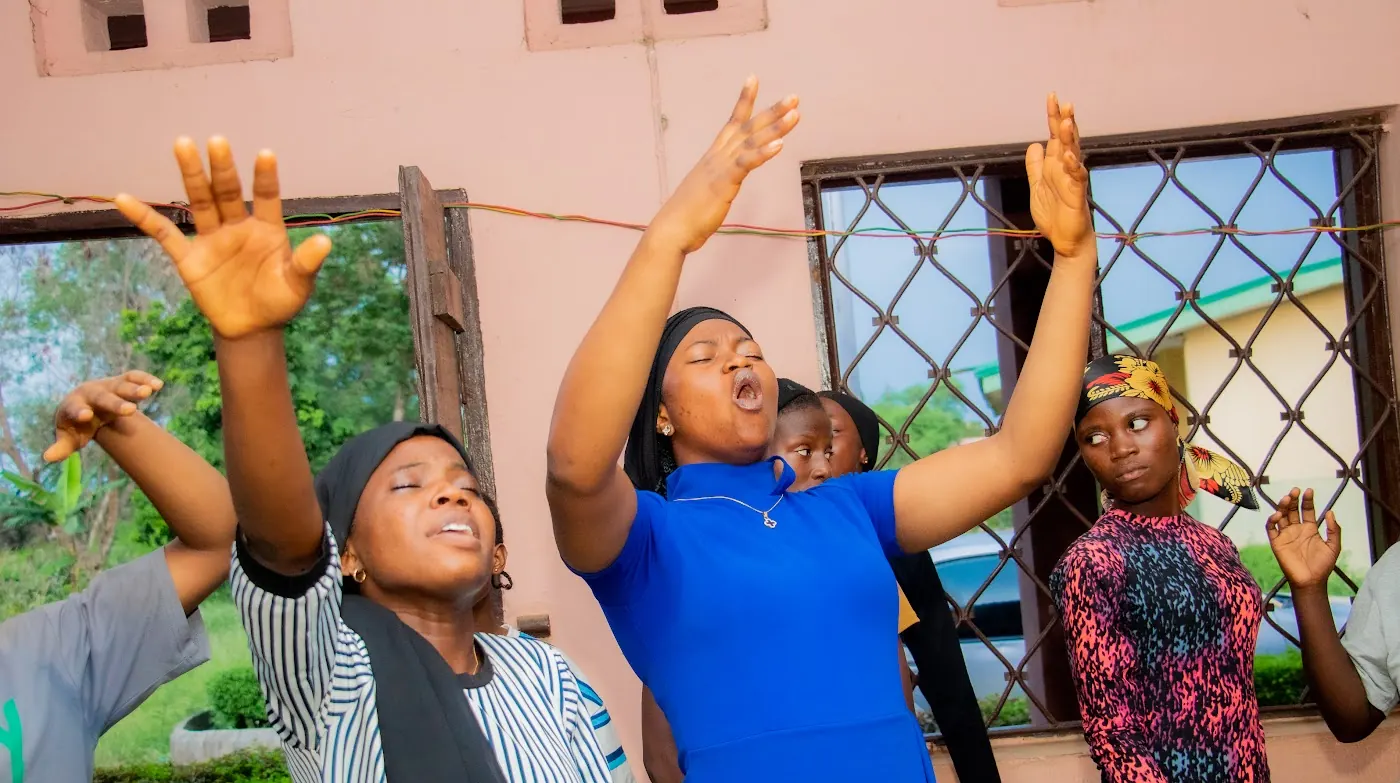
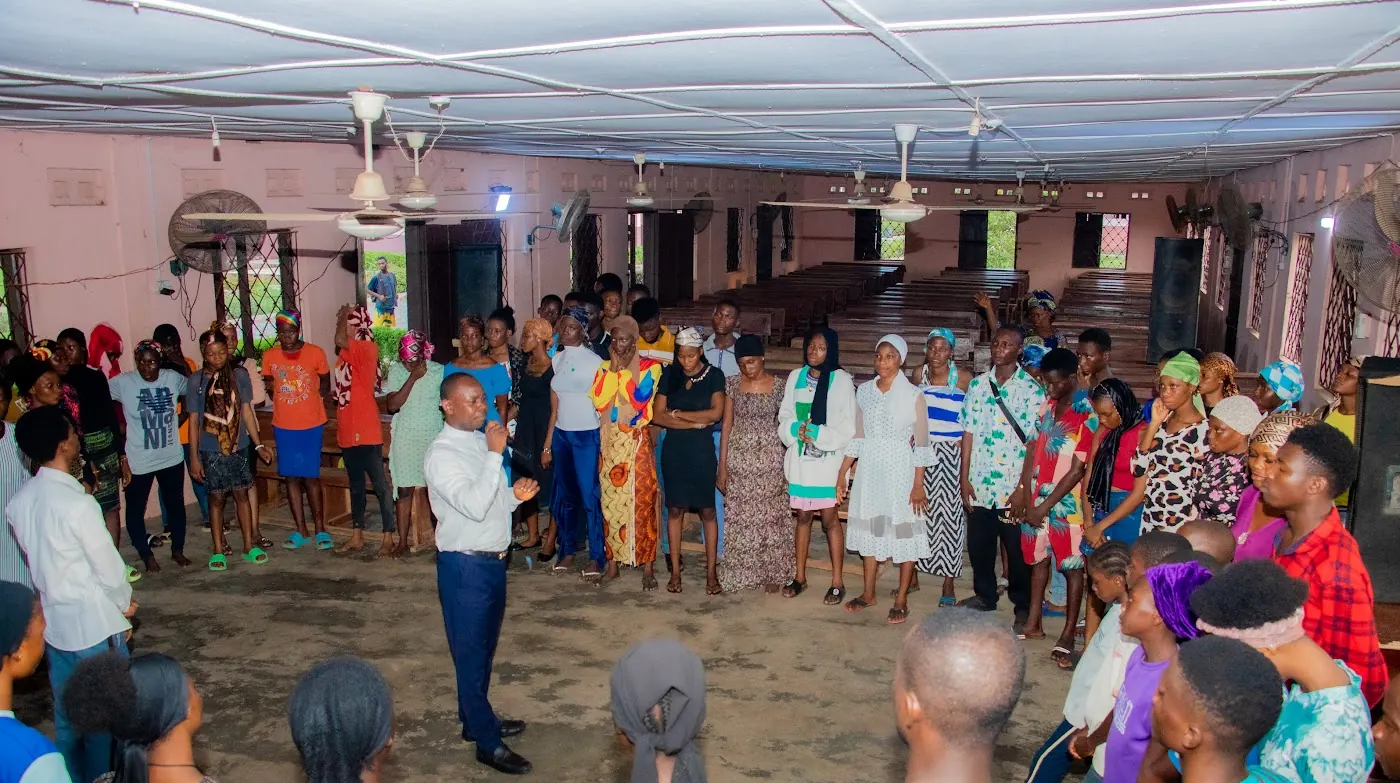
If you live in or near Aiyepe, Ijebu, in Ogun State, we would love for you to consider visiting Adoration New Life Ministry. We are a Church of God congregation on Moborode Street, gathering since 5 September 2015 under the leadership of Pastor Akintayo Akinniran, our Lead Pastor and General Overseer. Here is when we meet:
- Sunday Worship Service: 8:00 AM
- Monday Prayer Meeting: 5:00 to 6:00 PM
- Wednesday Hour of Mercy: 10:00 to 11:00 AM
- Month-End Night Vigil: last Friday of every month, 10:00 PM
We are a church that centres on worship and the Word, and we would be glad to welcome you, whether you are a student at Gateway ICT Polytechnic, a resident of Aiyepe, a visitor passing through, or simply someone looking for a spiritual home. You can find directions and what to expect on our Plan Your Visit page, read our story, or contact us with any questions. You can also message us on WhatsApp at +234 814 466 2694.
We encourage you to test everything against Scripture, pray for guidance, and visit more than once. Our hope is simple: that you would meet Jesus, grow in Him, and find a family.
A prayer for finding your church
Lord, thank You for the church You love and gave Yourself for. Guide me to the place where You want me to be planted. Give me discernment to recognise faithful teaching and genuine love. Protect me from error and from hurt. Help me to be a blessing wherever I land: to give, to serve, and to pray. Lead me into a community where I can grow in You and help others to grow. In Jesus' name, Amen.
Frequently asked questions
How do I choose a church?
Pray for guidance, then look for a church that teaches the Bible faithfully, exalts Jesus Christ, shows genuine love, offers real community and has accountable, godly leadership. Visit several times before deciding, and talk with the pastor and members.
What does the Bible say a church should be like?
Acts 2:42 describes the early church continuing "stedfastly in the apostles' doctrine and fellowship, and in breaking of bread, and in prayers." A healthy church is devoted to teaching, fellowship, communion and prayer.
What are warning signs of an unhealthy church?
Warning signs include teaching that contradicts the Bible, pressure and manipulation, secrecy about money, leaders who are unaccountable, a focus on personalities rather than Christ, and an atmosphere of fear or control.
Do I have to join a church, or can I worship at home?
Personal devotion is important, but the Bible calls believers to gather and not forsake meeting together (Hebrews 10:24-25). God designed the church as a body in which every member is needed.
What should I do on my first visit to a church?
Arrive a little early, introduce yourself, listen carefully to the teaching, observe how people treat one another, and ask questions afterwards. First visits are for discernment, so give yourself time.